
Water quality plays an important role in everyday comfort, from taking a shower to washing dishes and doing laundry. Homeowners dealing with hard water may notice mineral deposits, cloudy glassware, or soap that does not lather easily. Learning about Water Softener Installation Kuna ID can be one starting point when exploring ways to manage hard water. A few practical habits can also help homeowners maintain their plumbing systems.
*1. Understand the Signs of Hard Water
*
Hard water contains dissolved minerals, particularly calcium and magnesium. These minerals are naturally present in many water supplies and can leave deposits on household surfaces.
Common signs include:
White spots on faucets and showerheads.
Mineral buildup around sinks and fixtures.
Soap residue on bathroom surfaces.
Stiff laundry after washing.
Reduced efficiency in appliances affected by scale.
Recognizing these signs can help homeowners decide whether water testing is worthwhile.
*2. Test Your Water Before Choosing a Solution
*
Before investing in equipment, find out what is actually present in your water. A water hardness test can help determine the concentration of calcium and magnesium.
What Should You Check?
Hardness level: Helps determine whether a softener may be useful.
Water source: Municipal and private well supplies may have different characteristics.
Other concerns: Iron, unusual odors, or changes in taste may require separate testing.
Testing first makes it easier to select equipment that fits the household's needs instead of relying on assumptions.
*3. Choose the Right Water Treatment System
*
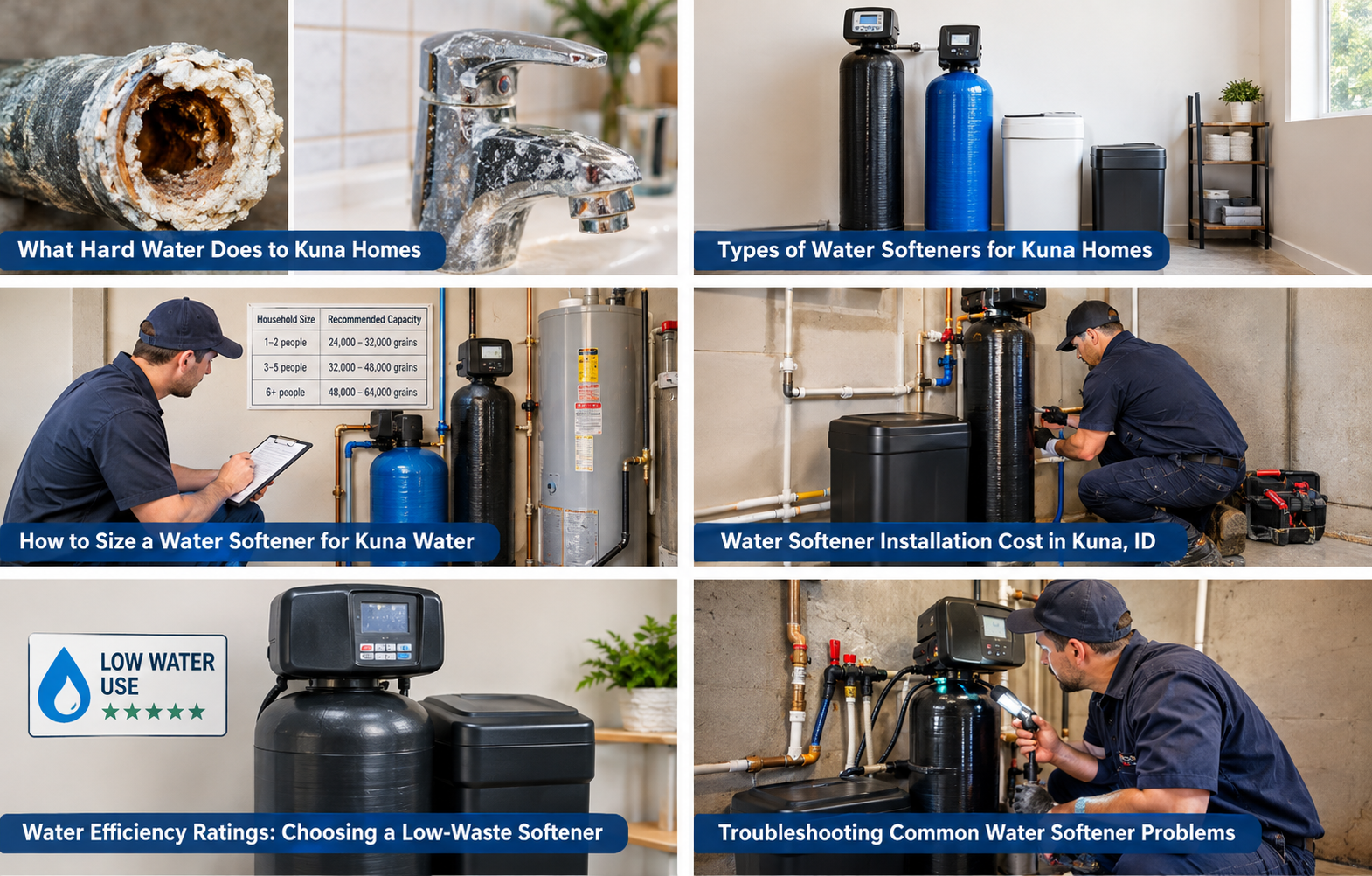
Different water treatment products serve different purposes. A traditional water softener reduces hardness minerals through an ion-exchange process, while a sediment filter removes certain suspended particles.
Consider these factors before choosing a system:
Household size and daily water consumption.
Measured water hardness.
Available installation space.
Equipment maintenance requirements.
Initial cost and ongoing operating expenses.
The right system depends on water test results and household requirements, not simply on product popularity.
*4. Maintain Plumbing Fixtures Regularly
*
Even without specialized equipment, homeowners can take simple steps to keep fixtures clean and functional. Mineral deposits around faucets and showerheads can often be removed with suitable cleaning products.
Helpful maintenance habits include:
Clean faucet aerators periodically.
Follow manufacturer instructions for descaling showerheads.
Check visible pipes and connections for leaks.
Avoid harsh cleaners that may damage delicate finishes.
Arrange professional inspection when recurring problems appear.
Consistent maintenance can help prevent minor plumbing concerns from becoming more disruptive.
*5. Improve Appliance Efficiency
*
Hard water may contribute to scale buildup inside water heaters, dishwashers, and washing machines. Over time, deposits can affect cleaning performance and increase maintenance needs.
To support appliance performance, follow the manufacturer's recommendations for cleaning, descaling, and servicing. Use the correct detergent quantity and avoid adding unnecessary chemicals.
Regular inspections and appropriate maintenance can help extend appliance life, although results depend on water conditions, appliance design, and usage.
*6. Consider the Environmental Impact
*
Water treatment systems have different resource requirements. Some ion-exchange softeners use salt and water during regeneration, so efficiency should be considered when comparing models.
Before purchasing, check:
Water and salt consumption during regeneration.
System capacity and efficiency ratings.
Manufacturer guidance for responsible operation.
Local rules concerning wastewater discharge.
Choosing an appropriately sized, efficient system can help balance household convenience with responsible resource use.
**
 **
A basic schedule makes household water care easier to manage. You do not need complicated tools to begin tracking maintenance tasks.



Top comments (0)