
Introduction
Tracking down an unfamiliar mobile network code or identifying who operates a specific cellular signal can feel like solving a puzzle with missing pieces.
ehind every phone connection is a system of numerical identifiers that route messages, connect calls, and manage international roaming. Without structured directory tools, searching for these codes means sifting through messy forum posts, obsolete spreadsheets, and unverified data.
Understanding how identifiers like MCC, MNC, and PLMN function helps engineers, app builders, and industry researchers make sense of cellular data. Directories like eSIMGlobo bring clarity to this space by organizing global network records into a clear, accessible layout. This guide explores how cellular lookups work, what each code means, and how to use telecom directories effectively.
Understanding MCC and MNC Codes
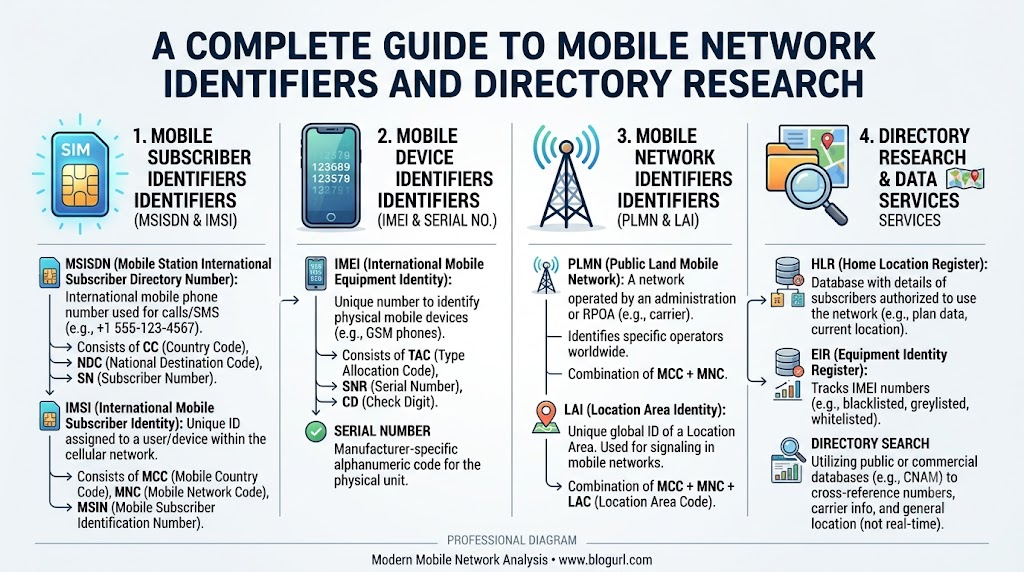
Every mobile phone connects to local cell towers using standardized numerical tags assigned by regulators. The Mobile Country Code, or MCC, is a three-digit number that points directly to a specific country or territory. The Mobile Network Code, or MNC, uses two or three digits to identify a distinct mobile carrier operating inside that nation.
When you put these two numbers together, they create a unique digital address for a carrier. For example, in Australia, the MCC is 505, and the carrier Telstra holds the MNC 01.
Combined, they form the network identifier 505-01. Mobile devices, SIM cards, and cell towers read these tags to route calls and verify network permissions.
PLMN Code Lookup and Its Purpose
A Public Land Mobile Network code, or PLMN code, is the complete combination of an MCC and an MNC written together. Performing a PLMN code lookup lets developers, network engineers, and analysts identify which business owns a specific network signature found during testing or log analysis.
A PLMN lookup confirms who holds the official administrative assignment for that code pair. However, a registered code does not automatically mean that a carrier offers active public coverage in a given location. Companies often register codes for private test labs, corporate networks, or future expansions without launching commercial consumer plans.
Finding Mobile Network Codes by Country
Filtering carrier records by geographic location is one of the easiest ways to navigate telecom data. A country-based list lets you view every assigned mobile network code registered within a single nation.
Starting your search at the country level helps you narrow down thousands of global entries into a short, manageable list. This process is helpful for app teams building location-based software or roaming managers verifying partner networks in specific regions. Country-level lists also reveal how local regulators distribute spectrum between major carriers and smaller market additions.
Using a Mobile Network Operator Directory
A mobile network operator directory is an organized collection of carrier names, corporate records, and assigned network codes. Instead of searching through separate government PDFs, users can query a central directory to check verified business entries.
These organized listings are practical tools for app developers, roaming teams, and network researchers. For instance, if a travel application needs to display the carrier name associated with a connected SIM, developers rely on structured operator entries. A clean directory cuts down research time and prevents mistakes caused by outdated lists.
Exploring a Global Telecom Provider Directory
Investigating cellular companies across multiple regions requires a broader international perspective. A global telecom provider directory allows researchers to compare code assignments, parent companies, and operational footprints across different continents.
This global approach aligns with the core features found on eSIMGlobo. By gathering thousands of records across many nations and international scopes, these directories help users research multi-country operators and specialized networks that operate beyond traditional national borders.
Understanding a Telecom Operator Database
A telecom operator database contains detailed records of assigned network codes, company names, and regulatory registrations. The usefulness of any database depends directly on how carefully its records are gathered and maintained.
Dependable databases gather details from official telecom regulators, international standards groups, and primary corporate filings. Distinguishing between active records and historical data is critical. A reliable database clearly marks which entries are current, which have changed hands, and which require extra verification.
Exploring an MVNO Directory
A Mobile Virtual Network Operator, or MVNO, is a wireless brand that sells mobile plans without owning physical cell towers or radio frequencies. Instead, an MVNO rents access from a traditional mobile carrier that owns physical infrastructure.
Because MVNOs run on a host carrier's physical network, they often use the host's existing MCC and MNC codes rather than holding a unique assignment. An MVNO directory helps researchers map these host relationships and understand which virtual brands connect through major parent networks.
Finding Providers Through an eSIM Provider Directory
An eSIM provider directory focuses on companies that sell digital SIM profiles for mobile devices and travel connectivity. It helps to separate physical network owners, virtual operators, and digital eSIM storefronts.
While physical operators build cell towers, many eSIM providers operate as digital resellers or service platforms. An eSIM directory clarifies who owns the actual underlying network and who acts as the commercial reseller offering travel plans to consumers.
Understanding an MCC MNC Lookup API
An application programming interface, or API, is a software connection that allows two applications to share information automatically. In the mobile industry, an MCC MNC lookup API allows software applications to query cellular databases instantly without human intervention.
Mobile apps, network analysis software, and automated security tools use these connections to retrieve carrier details in real time. Instead of looking up a code by hand on a website, software can send a code through an API and receive the operator name immediately.
| Term | Full Form | Simple Meaning | Main Purpose |
|---|---|---|---|
| MCC | Mobile Country Code | A three-digit code for a nation. | Groups mobile networks by geographic region. |
| MNC | Mobile Network Operator Code | A two- or three-digit code for a carrier. | Distinguishes individual operators in a country. |
| PLMN | Public Land Mobile Network Code | The combined MCC and MNC pair. | Uniquely identifies a cellular network globally. |
Common Uses of Mobile Network Codes
Mobile network codes play an essential role in daily technical tasks and business operations. Network identification is their main job, helping smartphones recognize home networks and roaming partners. Telecom analysts study these codes to track industry growth and market changes over time.
Data validation and roaming tests rely on accurate code matching to connect subscribers to approved partner networks. Software developers also use these codes to show correct carrier names inside mobile applications. However, users should keep in mind that a code assignment only shows ownership, not actual cell signal strength.
| Lookup Need | What It Is | What It Helps You Do |
|---|---|---|
| Country-Based Search | Filtering network codes by nation. | Find local carriers quickly. |
| PLMN Lookup | Checking combined MCC and MNC pairs. | Identify network ownership from raw code data. |
| Operator Directory | Browsing structured carrier lists. | View verified company entries and details. |
| MVNO Research | Studying virtual service providers. | Track host network relationships and partnerships. |
| eSIM Research | Exploring digital profile sellers. | Distinguish retail platforms from physical operators. |
| API Lookup | Automated software code queries. | Add real-time carrier lookup features to software. |
Common Lookup Mistakes
Researching mobile network codes can lead to errors if you are not careful with raw data. A frequent mistake is swapping the order of the MCC and MNC, which points your search to the wrong country or business. Using partial or truncated numbers also leads to missing results.
Another common slip is relying on old datasets without checking for recent updates. Finally, assuming that every assigned code belongs to a public consumer carrier causes confusion, since many codes serve private test facilities, utility companies, or internal networks.
How eSIMGlobo Helps With Telecom Research
Platforms like eSIMGlobo offer structured access to global cellular data, using clear directory features to help users research network entries. The platform brings together thousands of network-code records across many countries and international regions.
Users can browse entries using provider names, country filters, and network categories. While the directory offers flexible search options, it keeps expectations clear by reminding readers that holding a network code represents administrative registration rather than guaranteed public coverage.
What Is an MCC MNC Lookup?
An MCC MNC lookup is a simple search method that matches mobile country and network codes with actual company names, helping users identify unknown cellular networks quickly.
What Is the Difference Between MCC and MNC?
The MCC specifies the country or region, while the MNC identifies the specific mobile network operator offering service inside that country.
What Does a PLMN Code Identify?
A PLMN code identifies a unique mobile network by pairing the Mobile Country Code with the Mobile Network Code into one complete digital tag.
How Can I Find Mobile Network Codes by Country?
You can find mobile network codes by country by browsing a structured telecom directory that sorts carrier assignments geographically by nation.
What Does a Mobile Network Operator Directory Show?
A mobile network operator directory shows verified carrier names, assigned network codes, corporate records, and regulatory registration details.
Does Every Telecom Provider Have Its Own MCC and MNC?
No, not every provider holds a distinct code. Many virtual carriers and small resellers connect through the network codes of their host carriers.
What Is the Difference Between an MNO and an MVNO?
An MNO owns physical cell towers and radio spectrum, whereas an MVNO rents network capacity from an MNO to sell mobile services.
How Is an eSIM Provider Directory Different From a Telecom Operator Database?
An eSIM provider directory lists brands selling digital SIM plans, while a telecom operator database focuses on official network-code records.
What Is an MCC MNC Lookup API Used For?
An MCC MNC lookup API is used by software developers to automate carrier lookups and feed network data directly into mobile apps.
Why Should I Verify Network-Code Records?
Verifying network records ensures that your data is current and keeps you from relying on outdated or inaccurate cellular information.
Conclusion
Understanding mobile network codes, PLMN identifiers, and global telecom directories gives you a clear path for researching worldwide cellular networks.
Country lists, operator databases, and MVNO directories simplify the task of identifying network owners. Remember that a registered code shows administrative ownership rather than active cell coverage in every location.
Directories like eSIMGlobo help make this research straightforward by organizing evidence-led records into clean listings. Start your research today by exploring a dependable directory to check network codes for your next project.



Top comments (0)