
Introduction
Starting a vehicle rental business takes more than buying cars or motorcycles. Owners need a clear plan, suitable vehicles, and reliable daily operations.
The UAE offers different opportunities for vehicle rental services. Customers may need vehicles for work, personal travel, family use, or leisure. Some prefer affordable cars. Others look for premium vehicles or motorcycles.
This creates room for different rental business models.
However, a business must understand its customers before investing in vehicles. It must also review local rules, insurance requirements, operating costs, and customer expectations.
A strong rental business grows through careful planning. It needs accurate listings, fair pricing, regular maintenance, and good customer service.
This guide explains how to plan and manage a vehicle rental business in the UAE. It also explores how online marketplaces and digital management tools can support business operations.
1. Understand Your Target Customers First
Every successful business starts with a clear customer group.
A vehicle rental company should understand who it wants to serve. Different customers have different needs and budgets.
For example, business travellers may need convenient daily rentals. Families may prefer larger cars. Motorcycle enthusiasts may look for specific models.
Before investing, study these customer groups:
- Residents who need temporary transport
- Tourists who want flexible mobility
- Business travellers
- Families planning local journeys
- Customers interested in premium vehicles
- Riders looking for motorcycle rentals
- Businesses needing temporary vehicles
Do not try to serve everyone from the beginning.
Choose a clear customer segment. Understand its vehicle needs, price expectations, and rental periods.
This makes business planning easier.
2. Choose the Right Rental Market in Dubai
Dubai has a diverse vehicle rental market. Customers may look for compact cars, SUVs, motorcycles, and premium models.
A business considering motorcycle rental Dubai should first understand its potential customers.
Some customers may need motorcycles for short periods. Others may prefer premium or performance models.
Before entering this market, research:
- Popular motorcycle categories
- Customer rental preferences
- Local competition
- Vehicle purchase or leasing costs
- Maintenance expenses
- Insurance requirements
- Applicable rental rules
Do not purchase motorcycles based only on personal preference.
Study the demand and operating costs first. A motorcycle that attracts attention may not always produce enough rental income.
Choose models that suit your target customers and business budget.
3. Evaluate Business Opportunities in Abu Dhabi
Abu Dhabi offers another market for vehicle rental businesses.
A company exploring motorcycle rental Abu Dhabi should study local demand and customer requirements.
The business should identify the types of motorcycles that customers may need. It should also understand the costs of preparing and maintaining them.
Consider these questions:
- Which motorcycle categories will the business offer?
- Who are the expected customers?
- What rental periods will be available?
- What will each motorcycle cost to maintain?
- Which permits and insurance arrangements are required?
- How will customers collect and return vehicles?
Location also matters.
Choose pickup arrangements that customers can understand and reach. Explain delivery options and any related charges before confirming bookings.
A clear operating plan can help a new business avoid unnecessary expenses.
4. Build a Practical Car Rental Fleet
A rental fleet should match customer needs and available resources.
A company exploring car rental Dubai may consider different vehicle categories.
For example:
- Economy cars for basic travel
- Sedans for everyday use
- SUVs for families
- Larger vehicles for groups
- Premium cars for special requirements
Each category has different purchase, maintenance, and insurance costs.
Start with a manageable fleet. Track the performance of each vehicle before expanding.
A vehicle's purchase price is only one part of the investment. Owners should also calculate maintenance, cleaning, registration, insurance, and operating expenses.
Keep a separate financial record for every vehicle.
This helps identify which vehicles support the business and which create higher costs.
5. Understand the Premium Vehicle Market
Premium rentals may attract customers who want comfort, design, or a special driving experience.
A business considering luxury car rental Abu Dhabi should understand the responsibilities involved.
Premium vehicles may have higher operating and repair costs. Their rental conditions may also require additional checks.
Before investing, review:
- Vehicle acquisition costs
- Insurance conditions
- Maintenance expenses
- Parts and repair access
- Customer eligibility
- Security deposit requirements
- Expected rental demand
Owners should also understand the risks of vehicle damage and downtime.
Do not calculate profit using the daily rental price alone. Include all operating expenses.
A premium fleet needs careful financial planning and responsible management.
6. Set Clear Prices for Your Rental Services
Pricing affects customer interest and business income.
A rental price should cover costs while remaining suitable for the target market.
When planning car rental Abu Dhabi services, calculate the full cost of operating each vehicle.
Include expenses such as:
- Vehicle purchase or lease
- Insurance
- Registration and permits
- Maintenance
- Cleaning
- Parking
- Staff and administration
- Marketing
- Payment processing
- Vehicle downtime
Then decide how to price different rental periods.
You may consider daily, weekly, or longer rental options where permitted and operationally suitable.
Keep the pricing structure easy to understand.
Explain deposits, mileage limits, delivery charges, and other possible costs before booking.
Never advertise a low price that hides important conditions.
7. Decide Whether Luxury Rentals Fit Your Business
Luxury rentals can create a distinct business position. But they are not suitable for every new company.
A business exploring luxury car rental Dubai should compare the investment with its financial capacity.
Consider the vehicle's purchase price and likely maintenance needs. Also review customer eligibility, insurance terms, and local requirements.
Think about the type of customer you want to attract.
Some customers may need a luxury vehicle for a short occasion. Others may want one for business or leisure travel.
Your business should explain what makes each vehicle different.
Use accurate photographs and complete specifications. Do not promise features or services that the vehicle does not provide.
A focused premium fleet can be easier to manage than a large collection of unrelated vehicles.
8. Select the Right Motorcycle Models
Motorcycle selection should depend on customer demand and operating requirements.
For example, a business considering Ducati motorcycle rental Dubai may attract customers interested in premium performance motorcycles.
However, these vehicles require careful planning.
Before adding a high-performance motorcycle, review:
- Purchase or leasing cost
- Maintenance requirements
- Spare parts access
- Insurance conditions
- Rider eligibility
- Customer demand
- Storage and security
- Expected downtime
Owners should also plan regular inspections.
A high-performance motorcycle should never remain available when it needs repair.
Customers must receive accurate information about the model and rental conditions.
Choose motorcycles that match your business goals, budget, and ability to manage them responsibly.
9. Build a Focused Sports Bike Rental Service
Sports bike rentals may appeal to a specific customer group.
A business entering sports bike rental Abu Dhabi should understand this group's expectations.
Customers may compare engine capacity, motorcycle models, performance features, and rental conditions.
Owners should provide accurate details for every motorcycle.
They should also confirm that customers meet applicable licence and insurance requirements.
A sports bike rental business should plan for:
- Regular mechanical inspections
- Suitable maintenance schedules
- Accurate vehicle photographs
- Clear rental agreements
- Customer eligibility checks
- Safety guidance
- Proper handover records
Avoid adding too many models at the beginning.
Start with a manageable selection. Review customer interest and operating costs before expanding.
10. Select the Right Business Model
Vehicle rental businesses can operate in different ways.
Some companies own and manage their entire fleet. Others work with vehicle owners through a marketplace model.
A business exploring peer-to-peer car rental UAE should understand how this model works.
A peer-to-peer marketplace connects vehicle owners with customers. The platform can help people discover available vehicles and communicate with providers.
However, the model requires clear responsibilities.
Before launching, determine:
- Who owns each vehicle?
- Who is legally permitted to rent it?
- Who manages the booking?
- Who confirms vehicle availability?
- Who handles the agreement?
- Which insurance conditions apply?
- Who manages customer support?
- How are payments and disputes handled?
The legal and insurance arrangements must support the business model.
Do not assume that private vehicle ownership automatically allows commercial rentals.
Confirm applicable UAE rules before accepting bookings.
11. Complete the Necessary Legal and Business Checks
Legal preparation is an important part of starting a rental company.
The requirements may depend on the business structure, location, and rental activities.
Before launching, seek guidance from the relevant UAE authorities or a qualified professional.
Review these areas:
Business registration: Confirm the correct business activity and licensing requirements.
Vehicle approvals: Check applicable registration and operating conditions.
Insurance: Confirm that the policy supports the intended rental activity.
Rental agreements: Prepare clear terms for customers and owners.
Customer verification: Understand which documents and checks apply.
Data protection: Handle customer information responsibly.
Financial records: Maintain suitable records of payments and business expenses.
Requirements can change. Always verify the current rules before starting operations.
A legally prepared business has a stronger foundation for growth.
12. Create a Clear Booking Process
Customers should understand how to rent a vehicle.
A confusing booking process can create unnecessary questions and delays.
Create a simple process with clear stages.
Step 1: Vehicle discovery
Customers browse available vehicles and compare details.
Step 2: Enquiry
Customers ask questions about price, dates, and rental conditions.
Step 3: Availability confirmation
The provider confirms whether the vehicle is available.
Step 4: Customer verification
The provider checks the documents and eligibility required for the rental.
Step 5: Agreement and payment
Both parties review the rental conditions and confirm payment arrangements.
Step 6: Vehicle handover
The provider inspects the vehicle and records its condition.
Step 7: Return
The customer returns the vehicle under the agreed conditions.
Each stage should have clear responsibilities.
Keep booking information organised. This helps staff follow the same process for every customer.
13. Build a Strong Vehicle Listing Strategy
Vehicle listings are an important part of online rental marketing.
Customers cannot inspect every vehicle before making an enquiry. They depend on listing information to understand their choices.
A strong listing should include:
- Exact make and model
- Clear photographs
- Vehicle specifications
- Rental price
- Available dates
- Mileage conditions
- Deposit information
- Insurance details
- Pickup location
- Important restrictions
Avoid copied photographs or misleading descriptions.
Update listings when prices or availability change.
Owners should also remove vehicles that are unavailable or under maintenance.
Accurate listings can improve customer confidence and reduce unnecessary enquiries.
14. Use Digital Tools to Manage Daily Operations
As a rental business grows, manual administration becomes harder.
Owners may need to manage many vehicles, bookings, customers, payments, and maintenance records.
A suitable digital system can bring important information together.
The free vehicle rental management software UAE offering promoted by MotoShare Gulf is positioned around rental business administration.
Its stated focus includes areas such as:
- Vehicle management
- Booking administration
- Customer information
- Payment records
- Rental tracking
- Business reporting
Business owners should review the actual available features and terms before relying on the software.
A digital system can reduce repetitive administrative work. It can also make records easier to organise.
However, staff must still enter accurate information and review important transactions.
Choose tools that match the size and needs of your business.
15. Plan a Simple Marketing Strategy
A new rental business needs a way to reach potential customers.
Start by creating a clear online presence.
Your website or marketplace profile should explain:
- What vehicles you offer
- Where you operate
- How customers can enquire
- What information is needed for booking
- How rental conditions work
- How customers can contact you
Use clear photographs and useful descriptions.
You can also publish helpful content about vehicle selection, rental preparation, and responsible driving.
Local search visibility may help customers discover relevant services.
Keep your business information consistent across online profiles.
Avoid making unsupported claims about vehicle availability, insurance, or prices.
Honest marketing builds stronger customer relationships.
16. Focus on Customer Service and Repeat Business
Customer service can influence whether people rent from the same business again.
A customer may remember how quickly the company answered questions. They may also remember the vehicle condition and pickup experience.
Train staff to communicate clearly.
Useful customer service practices include:
- Responding to enquiries promptly
- Explaining rental conditions
- Confirming bookings in writing
- Sharing pickup instructions
- Recording vehicle condition
- Handling complaints calmly
- Explaining return procedures
Ask customers for feedback after completed rentals.
Review repeated complaints and improve the process.
Do not pressure customers to provide positive reviews. Encourage honest feedback.
A dependable service can help a business build long-term relationships.
17. Monitor Business Performance
A rental business should review its performance regularly.
Revenue alone does not show whether the business is healthy.
Owners should track several operating measures.
| Business area | What to review |
|---|---|
| Fleet | Number of active vehicles |
| Bookings | Confirmed and completed rentals |
| Availability | Available and unavailable days |
| Maintenance | Repairs and service expenses |
| Revenue | Income by vehicle |
| Costs | Operating expenses |
| Customers | Enquiries and repeat bookings |
| Service | Complaints and feedback |
Use these records to make better decisions.
For example, a vehicle may receive many enquiries but few confirmed bookings. The owner should review its price, description, and conditions.
Another vehicle may generate steady bookings but high maintenance costs.
Regular reviews help owners understand what needs improvement.
18. Common Mistakes New Rental Businesses Should Avoid
New businesses can lose money through poor planning.
Avoid these common mistakes:
Buying too many vehicles: Start with a manageable fleet and expand after reviewing demand.
Ignoring operating costs: Include insurance, maintenance, cleaning, and downtime.
Using unclear prices: Explain deposits and additional charges.
Skipping inspections: Check vehicles before and after every rental.
Publishing inaccurate listings: Keep photographs, prices, and availability updated.
Ignoring legal requirements: Confirm the correct approvals and insurance arrangements.
Poor record keeping: Maintain accurate booking and payment records.
Weak customer communication: Explain every important step before handover.
Expanding too quickly: Make decisions based on actual business performance.
A careful approach can help a new company avoid unnecessary risks.
19. A Practical 90-Day Business Preparation Plan
A new rental business can use a simple preparation timeline.
This is a planning example, not a guarantee of business results.
Days 1–30: Research and planning
- Identify target customers.
- Study the local rental market.
- Compare vehicle categories.
- Estimate investment and operating costs.
- Review licensing and insurance requirements.
- Choose a suitable business model.
Days 31–60: Business setup
- Complete applicable registrations and approvals.
- Prepare the initial vehicle fleet.
- Arrange suitable insurance.
- Create rental agreements.
- Prepare vehicle inspection checklists.
- Set pricing and booking conditions.
- Organise management tools.
Days 61–90: Launch preparation
- Publish accurate vehicle listings.
- Test the booking process.
- Train staff.
- Prepare customer communication templates.
- Review vehicle readiness.
- Start marketing activities.
- Monitor early enquiries and feedback.
Review progress before expanding.
A structured launch can make the first operating period easier to manage.
Conclusion: Build the Business Before Expanding the Fleet
A successful vehicle rental business depends on more than the number of vehicles it owns.
It needs a clear customer focus, suitable vehicles, accurate pricing, and reliable operations. Owners must also understand legal requirements and insurance conditions.
Start with a manageable business model. Build a clear booking process. Maintain vehicles properly and keep customer communication simple.
Digital marketplaces can help connect vehicle providers with customers. Management tools can also support daily administration.
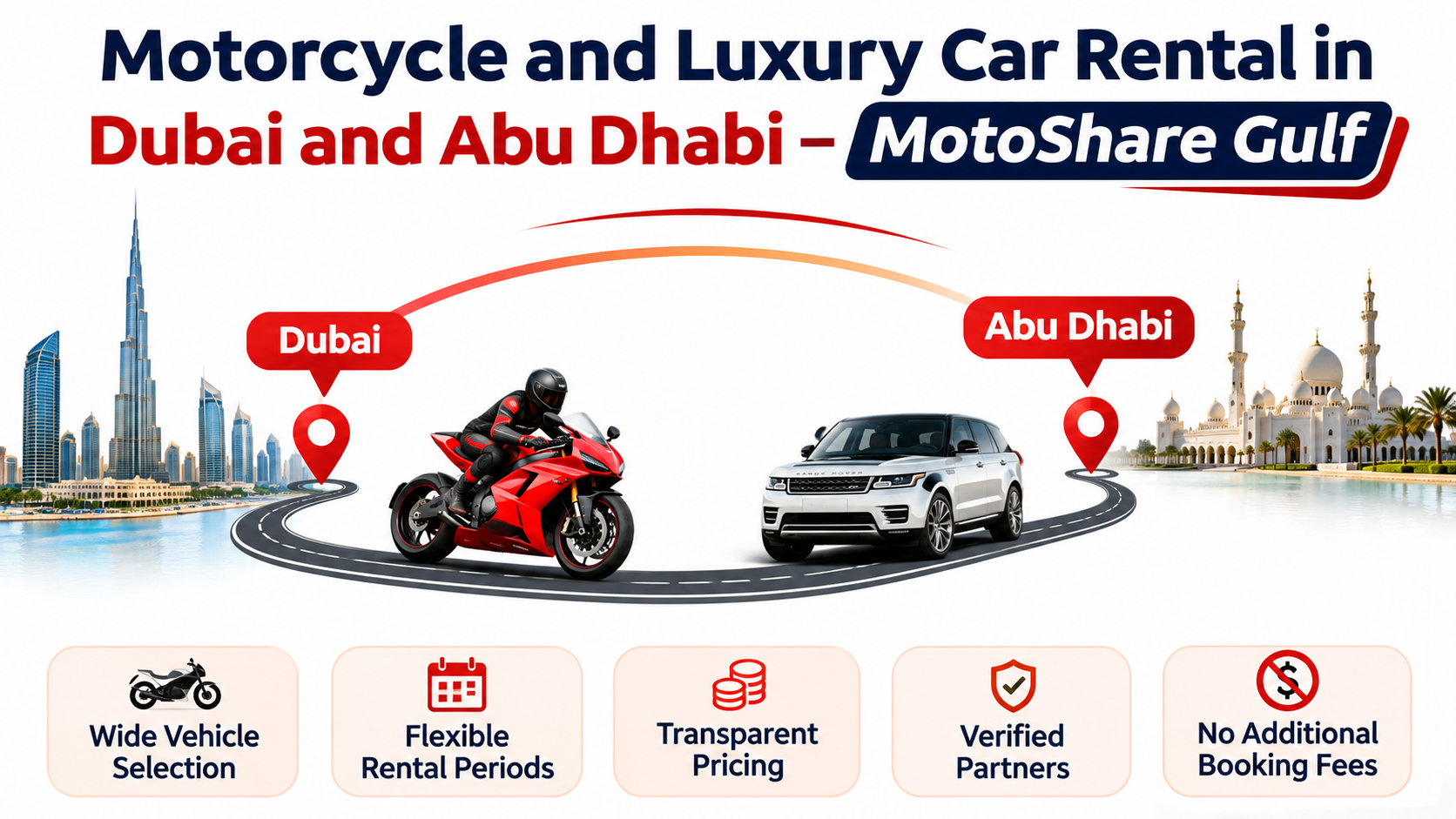
MotoShare Gulf promotes a marketplace approach for vehicle owners, rental businesses, and customers. Its stated focus includes vehicle discovery, flexible rental periods, and rental management support.
Before using any platform or accepting a booking, confirm the actual features, vehicle availability, final price, and applicable rental conditions.
Build strong processes first. Then expand when your records show that the business is ready.
Frequently Asked Questions
1. How do I start a vehicle rental business in the UAE?
Research your target customers, select a business model, and estimate your costs. Then confirm licensing, vehicle, insurance, and operating requirements before launch.
2. Is Dubai a suitable market for motorcycle rentals?
It may offer opportunities for different motorcycle categories. Study customer demand, competition, costs, and applicable rules before investing.
3. What vehicles should a new rental business offer?
Choose vehicles that match your target customers and budget. Start with a manageable selection and review demand before expanding.
4. What costs should I consider when starting a car rental company?
Consider vehicle costs, insurance, registration, maintenance, cleaning, parking, staff, marketing, and administration.
5. Is a luxury car rental business expensive to operate?
Premium vehicles can involve higher purchase, maintenance, and repair costs. Calculate the complete operating expenses before investing.
6. Can I rent out my personal car through a marketplace?
That depends on applicable laws, approvals, and insurance conditions. Confirm that your vehicle and business arrangement qualify before listing it.
7. How can I attract customers to my rental business?
Publish accurate vehicle listings, maintain a clear online presence, explain prices, and provide helpful customer service.
8. Why does a rental business need management software?
Suitable software can help organise vehicles, bookings, customer records, payments, and reports. Check the available features before choosing a system.
9. How can I reduce rental business operating costs?
Track expenses for every vehicle. Maintain vehicles regularly, avoid unnecessary downtime, and review pricing against actual costs.
10. How long should I wait before expanding my rental fleet?
There is no fixed timeline. Review customer demand, operating costs, vehicle performance, and available funds before adding more vehicles.



Top comments (0)