
Military Packaging For Equipment Safety focuses on durable, carefully designed packaging solutions that address the protection requirements military, defence, and industrial equipment. Military packaging must consider several factors, including product weight, dimensions, fragility, transportation conditions, storage duration, and environmental exposure. A well-designed packaging system combines strong external containers with appropriate internal protection to help reduce the possibility of damage throughout the supply chain.
Importance Of Reliable Military Packaging
Military equipment can include communication devices, electronic instruments, mechanical components, vehicle parts, tools, and specialised operational supplies. Many of these products are expensive or difficult to replace, making suitable packaging an important consideration.
During transportation, equipment may experience vibration, impacts, pressure, dust, moisture, and repeated handling. Inadequate packaging can increase the risk of scratches, broken components, corrosion, or other damage. Reliable military packaging provides a protective structure designed around the specific characteristics of the products being shipped.
Proper packaging also supports organised inventory management. Equipment can be separated, labelled, and stored in designated containers, making it easier for personnel to identify and manage important supplies. By selecting packaging according to operational requirements, organisations can improve handling efficiency and support more dependable transportation processes.
Durable Materials For Heavy-Duty Protection
Material selection plays a major role in military packaging performance. Different equipment types require different levels of structural support and environmental protection. Common packaging materials include reinforced wood, plywood, steel, aluminium, and specialised protective materials.
Wooden crates are widely used for industrial and heavy-duty packaging because they can be manufactured in different sizes and reinforced according to product weight. Plywood containers can provide practical structural protection while allowing custom fabrication. Metal containers may be suitable for applications that require additional strength, repeated use, or particular environmental protection features.
The choice of material should consider equipment dimensions, shipping weight, transportation method, storage conditions, and relevant packaging specifications. Strong construction, reinforced corners, secure fasteners, and properly designed bases can contribute to the stability of the finished container.
Custom Military Packaging Solutions
Military and defence equipment often comes in specialised shapes and sizes that cannot be accommodated by standard packaging. Custom packaging provides an opportunity to develop containers according to the actual dimensions and protection requirements of individual products.
Custom military packaging may include reinforced shipping crates, fitted compartments, removable panels, secure closures, and specialised internal supports. These features help keep equipment properly positioned and reduce unnecessary movement during transportation.
Manufacturers can consider product weight, centre of gravity, lifting arrangements, and access requirements when developing a packaging design. Custom dimensions can also help organisations use available transportation and storage space more efficiently.
A suitable design should provide sufficient protection without making the container unnecessarily difficult to handle. Careful planning before manufacturing helps ensure that the finished packaging meets the intended operational requirements.
Protective Foam Inserts And Internal Cushioning
External containers provide structural protection, but sensitive equipment may also require additional internal cushioning. Electronic devices, precision instruments, optical components, and specialised tools can be vulnerable to vibration and accidental impacts.
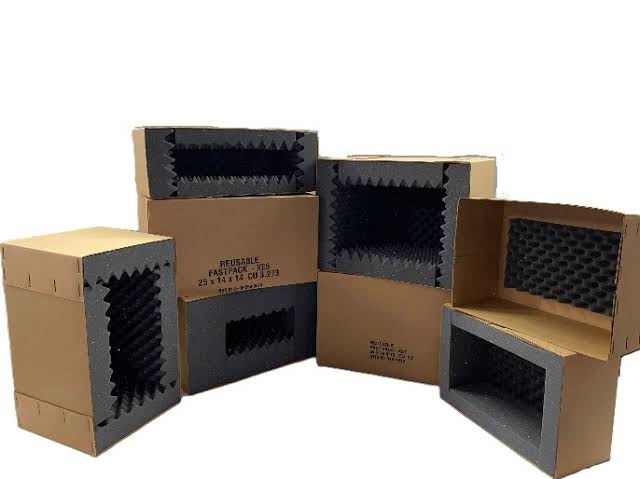
Custom foam inserts help secure products inside shipping containers. Foam can be cut into shapes that match the dimensions of individual components, creating dedicated spaces for equipment and accessories. This arrangement reduces unwanted movement and helps prevent items from contacting one another.
Different foam materials and densities may be selected according to product weight, fragility, and handling requirements. Separate compartments can also accommodate cables, connectors, spare parts, and smaller tools.
For heavier equipment, foam may need to be combined with stronger internal supports, blocking, bracing, or secure fastening systems. The complete interior design should be based on the product's characteristics and expected transportation conditions.
Protection Against Environmental Conditions
Military equipment may be transported or stored in environments where temperature changes, moisture, dust, and humidity can affect product condition. These factors are particularly important for electronic systems, metal components, and precision instruments.
Packaging can incorporate suitable protective features such as moisture barriers, sealed closures, protective coatings, and appropriate wrapping materials. Desiccants may also be used in selected applications to help control moisture inside a properly designed package.
The level of environmental protection should match the expected conditions. For example, equipment intended for extended storage may require different packaging considerations from products being transported over shorter distances.
Organisations should evaluate the equipment's sensitivity and consult suitable packaging specialists when additional environmental controls are necessary.
Safe Transportation And Handling
Military packaging must be practical for the people responsible for moving and managing equipment. Containers should be designed with suitable lifting, loading, unloading, and transportation arrangements in mind.
Depending on the application, useful features may include forklift pockets, reinforced bases, lifting points, secure handles, and accessible closures. These features should be appropriately designed and rated for the intended loads and handling methods.
Correct weight distribution is also essential. Heavy equipment should be positioned securely so that the container remains stable during movement. Internal supports and suitable fastening arrangements can help prevent shifting while the package is being transported.
Clear handling labels and instructions can help personnel identify lifting points, orientation requirements, and other important packaging information. Proper handling procedures should always follow applicable safety requirements.
Reusable Military Shipping Containers
Many organisations regularly transport equipment between warehouses, manufacturing facilities, storage locations, and operational sites. Reusable shipping containers can provide a practical solution for these repeated transportation requirements.
Durable crates and containers can be designed for multiple uses when their materials and construction are suitable for repeated handling. Replaceable foam inserts, removable internal panels, and repairable components may make maintenance and repacking easier.
Reusable packaging can also help reduce recurring packaging expenses by limiting the need for new containers for every shipment. It supports organised equipment storage because designated containers can be assigned to particular products or equipment groups.
Regular inspection is important before reuse. Organisations should examine structural panels, fasteners, seals, lifting features, and internal supports. Any damaged components should be repaired or replaced before the container is used again.
Military Packaging For Electronic And Sensitive Equipment
Electronic and technical equipment requires additional attention because sensitive components may be affected by vibration, moisture, dust, and electrostatic discharge. Standard cushioning alone may not provide sufficient protection for every application.
Packaging for electronic products may include antistatic materials, conductive or dissipative packaging, protective foam, sealed bags, and moisture-control systems where appropriate. These features should be selected according to the equipment manufacturer's recommendations and the product's sensitivity.
Sensitive instruments may also benefit from custom compartments that keep accessories and individual components separated. Clear labelling and organised internal layouts make inspection, identification, and unpacking more convenient.
Selecting the correct combination of protective materials helps organisations address the specific requirements of valuable electronic equipment.
Compliance With Packaging And Shipping Requirements
Military and industrial shipments may be subject to different transportation, packaging, and documentation requirements. These can depend on the equipment, destination, transportation method, and nature of the shipment.
For international shipments containing regulated wood packaging materials, applicable requirements may include ISPM 15 treatment and marking. Organisations should confirm current import and export requirements before dispatching wooden crates.
Certain equipment may also require specialised documentation, handling instructions, or environmental protection measures. Packaging specifications should be reviewed carefully to ensure that the selected solution is appropriate for the intended shipment.
Working with knowledgeable packaging manufacturers can help organisations understand relevant material and construction considerations. However, responsibility for confirming applicable regulatory and transportation requirements remains with the shipper.
Choosing A Reliable Military Packaging Manufacturer
Selecting an experienced packaging manufacturer is important when developing protective solutions for valuable equipment. Businesses and organisations should consider a provider's experience with heavy-duty crates, custom fabrication, protective foam, and specialised shipping requirements.
Before requesting a design, provide accurate product measurements, weight information, fragility details, and transportation arrangements. Explain whether the equipment will be stored for an extended period or transported repeatedly.
It is also useful to discuss environmental exposure, lifting requirements, reusable packaging needs, and any applicable industry specifications. A dependable manufacturer should explain available materials, construction options, and customisation possibilities clearly.
Reviewing packaging designs before production can help identify potential problems and ensure that the finished container is suitable for its intended purpose.
Conclusion
High Performance Military Packaging For Equipment Safety provides practical solutions for protecting valuable machinery, electronic systems, technical instruments, and specialised equipment during transportation and storage. Strong materials, custom container designs, protective foam inserts, secure internal supports, and suitable handling features all contribute to dependable packaging performance.
By evaluating equipment specifications and transportation conditions, organisations can select packaging solutions that address their operational needs. Proper preparation, secure handling, regular inspection, and appropriate maintenance further support equipment protection.
Investing in well-designed military packaging helps organisations improve logistics organisation, reduce avoidable handling risks, and maintain the condition of valuable equipment throughout its transportation and storage journey.



Top comments (0)