
Introduction
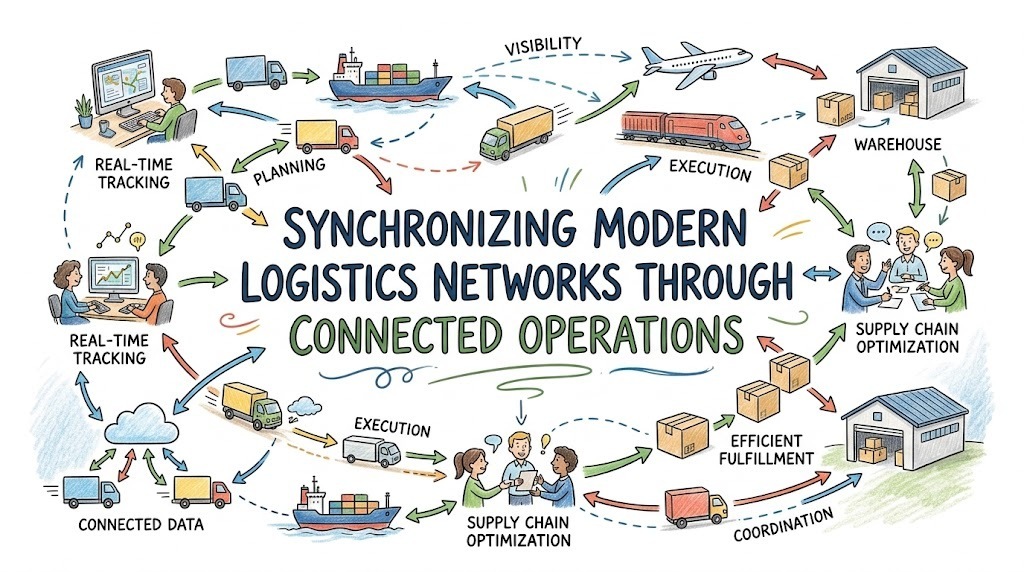
Fragmented data streams, isolated software applications, and sudden market disruptions constantly challenge modern logistics managers. Consequently, organizations lose clear sight of their global operations and suffer from costly inefficiencies. You can eliminate these operational blind spots completely by deploying SCMGalaxy OS, an innovative operational engine that unifies disconnected logistics channels. Instead of struggling with separate, rigid databases, your teams collaborate within a single, cohesive environment. This structural integration bridges the communication gap between external vendors, transportation teams, and internal decision-makers. As a result, businesses eliminate costly data errors, accelerate fulfillment speed, and drive strategic growth using reliable, real-time analytics.
What SCMGalaxy OS Actually Means in a Supply Chain Context
Legacy systems often trap critical corporate information inside isolated software departments. Therefore, introducing a unified operational system creates a universal translation layer for your entire company data infrastructure. This platform standardizes messy data streams from various ERP and warehouse applications into a single, clean overview.
Because it operates as a central digital foundation, it updates asset locations and transaction records instantaneously. Consequently, your procurement agents, warehouse operators, and dispatch teams view the exact same reality simultaneously. This shared clarity prevents costly ordering mistakes and keeps all operational arms perfectly aligned.
Why Modern Supply Chains Need an Operating System Approach
Single-purpose software tools lack the flexibility to handle unpredictable global trade fluctuations. Today's fast-paced market demands immediate adaptability across every functional department. For this reason, leadership teams must abandon fragmented tools and adopt a holistic network architecture.
When you connect all logistics workflows into a single ecosystem, automated workflows trigger instantly across your organization. For example, a sudden transport delay automatically prompts warehouse managers to adjust their receiving schedules. This rapid communication prevents expensive bottlenecks before they harm customer relations, turning logistical hurdles into manageable events.
Core Problems SCMGalaxy OS Is Built to Solve
Countless logistics teams waste valuable hours manually extracting data from mismatched tracking sheets. Unfortunately, this slow process yields outdated reports and delays critical responses to delivery disruptions. This platform fixes that specific bottleneck by automating data collection entirely.
Furthermore, the system resolves the lack of transparency often found in third-party vendor networks. When communication drops between your business and external carriers, production timelines break down immediately. Centralizing these communication channels eliminates blind spots, minimizes surprise storage fees, and preserves your planned profit margins.
Key Capabilities That Make SCMGalaxy OS Useful
The practical strength of this architecture lies in its deep, multi-source data integration capabilities. First, it extracts data from your current software setup without forcing you to buy expensive new hardware. Therefore, you gain a comprehensive view of your entire business through one straightforward screen.
Second, the system utilizes intelligent exception alerts to highlight operational deviations immediately. Your staff avoids sorting through endless spreadsheets because the program flags only the shipments that need human attention. Additionally, robust built-in metrics reveal hidden inefficiencies, allowing you to optimize performance and reduce operational waste.
How SCMGalaxy OS Can Improve Procurement Operations
Manual purchasing workflows frequently slow down due to slow approval chains and endless email threads. However, utilizing this modern control hub allows you to automate purchase requisitions from start to finish. The platform routes purchase requests to authorized managers automatically based on your specific corporate guidelines.
Consequently, purchasing agents escape tedious paperwork and focus their energy on high-value supplier negotiations. In addition, the platform tracks historical pricing trends and vendor performance data clearly. This vital information gives your buyers the leverage they need to secure better contracts and reduce material expenses.
How SCMGalaxy OS Supports Inventory Visibility and Control
Balancing warehouse stock requires continuous adjustments to prevent both capital stagnation and sudden shortages. Keeping too much inventory traps cash, while keeping too little leads to missed sales opportunities. This platform solves the inventory dilemma by delivering total, live visibility across every stockroom.
Whether your products sit in a regional warehouse, a retail outlet, or a moving delivery truck, you monitor them accurately. Furthermore, the system analyzes historical buying trends to calculate accurate future demand forecasts. This intelligence helps your planning team optimize safety stock levels, minimize overhead, and fulfill customer orders reliably.
Strengthening Warehouse and Fulfillment Workflows with SCMGalaxy OS
Internal warehouse speed dictates how quickly customers receive their purchases. When picking routes remain unoptimized, warehouse employees lose precious time walking unnecessary miles across the floor. Implementing this unified software optimizes your warehouse layouts and creates efficient picking paths automatically.
Because the system updates inventory slots instantly, workers locate specific items without second-guessing the system. Moreover, the software coordinates incoming trucks and outgoing shipments smoothly to eliminate dock congestion. Streamlining these internal tasks speeds up order delivery, builds customer loyalty, and drives repeat business.
Better Supplier Coordination Through a Shared Operational System
Productive vendor partnerships depend entirely on clear communication and objective performance metrics. Misaligned expectations between partners usually cause manufacturing delays and unexpected quality defects. This platform eliminates those misunderstandings by offering a shared dashboard for external suppliers.
Suppliers upload compliance documents, confirm shipment dates, and update production milestones directly inside the application. Consequently, your management team stops sending constant status emails to verify order progress. The system also tracks vendor delivery accuracy automatically, providing the hard data you need for constructive performance reviews.
Logistics Visibility and Delivery Coordination Become Easier
Tracking freight across multiple international transportation lines often feels impossible after cargo leaves the factory. Fortunately, this platform integrates with global freight networks to provide continuous milestone monitoring. You watch ocean containers, air cargo, and over-the-road trucks move across a single, unified map.
If a transport provider encounters bad weather or customs delays, the software updates delivery estimates immediately. This proactive warning gives your logistics team enough time to shift schedules or warn waiting clients. Improving coordination reduces expensive harbor storage fees and eliminates the need for emergency shipping upgrades.
Targeted Value Across Engineering Personas
| Engineering Persona | Core Responsibility | Key Value Delivered by the Platform |
|---|---|---|
| Data Engineers | Building and maintaining data pipelines | Normalizes fragmented logistics feeds into clean, usable data structures. |
| DevOps Engineers | Ensuring system availability and deployments | Delivers resilient infrastructure that handles major traffic spikes smoothly. |
| Solutions Architects | Designing corporate software frameworks | Offers modular connection points that link easily with older ERP apps. |
| QA Engineers | Testing software stability and processes | automates data verification checks across complex supply chain logic. |
Evaluating the Ten Critical Governance Domains
- Data Privacy and Security: Strong encryption protocols safeguard your proprietary financial records and sensitive supplier agreements.
- Access Control Management: Granular permissions restrict system access, ensuring employees view only the files required for their tasks.
- Regulatory Compliance: Built-in customs tracking tools help your team meet global trade laws and strict environmental rules.
- Audit Trail Logging: The platform records every single data change, creating an immutable history for simple compliance auditing.
- System Scalability: The cloud-native design expands processing capacity automatically during peak seasonal shopping rushes.
- Integration Flexibility: Open APIs connect external software platforms quickly without demanding months of custom coding.
- Disaster Recovery Planning: Regular, automated data backups ensure your critical business records stay safe during unexpected network drops.
- Vendor Risk Assessment: Continuous performance tracking flags reliable suppliers and identifies vendors showing financial warning signs.
- Performance Monitoring: Real-time health monitors allow your IT department to spot system slowdowns and resolve them instantly.
- Data Retention Policies: Flexible archival settings help you store historical data efficiently without driving up digital storage costs. ### Why SCMGalaxy OS Matters for Decision-Making, Not Just Monitoring Old-fashioned business dashboards only tell you that an error occurred after the financial damage is already done. In contrast, this operational system emphasizes predictive analytics and offers clear, actionable solutions. By processing live data streams, the software simulates potential disruptions to calculate their impact on your business. For example, if a major supplier runs out of components, the system instantly projects the delay on your final deliveries. Furthermore, it suggests alternative vendors and calculates the exact cost difference for each option. This smart guidance transforms your managers from passive observers into decisive leaders who protect corporate margins effectively. ### Who Can Benefit Most from SCMGalaxy OS
- E-commerce Retailers: Online merchants sync high-volume storefront sales with scattered regional fulfillment warehouses effortlessly.
- Global Manufacturers: Plant managers track raw materials through multiple international sub-vendors without losing data visibility.
- Third-Party Logistics Providers: Freight forwarders share live tracking dashboards and automatic arrival notifications directly with customers.
- Procurement Managers: Sourcing experts evaluate company-wide purchasing trends to secure deep volume discounts from suppliers.
- Inventory Planners: Analytical teams eliminate costly overstocking habits by using predictive, data-driven demand forecasting algorithms. ### SCMGalaxy OS as a Practical Platform, Not Just a Promotional Idea Enterprise software buyers frequently encounter flashy marketing promises that fail to deliver real-world results. However, this platform proves its value by targeting everyday operational headaches directly. It skips useless aesthetic gimmicks and focuses on improving daily supply chain execution. The clean user interface allows both warehouse floor workers and corporate executives to master the software quickly. Furthermore, the system runs on proven cloud infrastructure, guaranteeing high availability and rapid data processing. This focus on practical utility makes the software a trusted, essential component of your daily operations. ### What to Evaluate Before Adopting SCMGalaxy OS in Your Business Companies must thoroughly assess their own operational readiness before integrating any comprehensive enterprise platform. First, audit your current data quality to identify inaccurate records that require cleanup. Transferring corrupted or incorrect data into a new system will only replicate old problems. Second, plan the internal timeline and personnel needed to manage the software rollout successfully. Even though the platform connects smoothly with other programs, your employees still require focused setup time. Addressing these factors beforehand prevents operational confusion and ensures a highly successful system launch. ### Best Practices for Getting Maximum Value from SCMGalaxy OS Deploying the platform in distinct, manageable phases ensures the highest return on your technology investment. Start by connecting your single most critical warehouse or busiest shipping lane first. This gradual approach allows your staff to build confidence with the tools without disrupting daily shipments. Additionally, design clear training sessions for every department that interacts with the new software. When workers understand how their specific entries impact other teams, overall data accuracy rises dramatically. Finally, study the system's analytical reports every week to find new ways to cut costs across your business. ### Frequently Asked Questions About SCMGalaxy OS
- How does SCMGalaxy OS connect with our existing ERP software? The software connects with popular ERP systems using pre-built integrations and flexible data gateways. This automated link keeps your financial books and physical inventory tallies perfectly synchronized without manual data typing.
- Can small businesses benefit from this platform, or is it only for enterprises? The modular platform scales down perfectly to support growing mid-sized businesses. Growing companies can activate individual modules, like vendor coordination, and add more advanced features as their business expands.
- How does the platform handle real-time tracking during international shipments? The system links directly with international container lines, air freighters, and commercial trucking telematics. This constant connection provides automated milestone alerts and updates arrival predictions the moment a delay occurs overseas.
- What kind of technical support is available during the implementation phase? Your company receives complete deployment assistance, including setup evaluations, custom workflow design, and thorough user training. Technical experts remain available after your launch to guarantee system stability and answer software questions.
- Does the platform require specialized hardware to run in our warehouses? No, the cloud-based system runs smoothly inside standard web browsers and modern mobile operating applications. Your warehouse crew uses their existing tablets, desktop setups, or portable barcode scanners to access the platform. ### Final Thoughts Succeeding in today's volatile market requires abandoning fragmented tools and choosing operational unity. Gathering your logistics, purchasing, and warehouse data into a single system provides the clarity needed to outpace disruptions. This cloud platform helps organizations replace daily logistics chaos with predictable, automated workflows. As you lower storage overhead, improve vendor communication, and accelerate order fulfillment, your market competitiveness grows. Establishing a connected digital foundation secures your operational efficiency and prepares your business for sustainable global expansion.



Top comments (0)